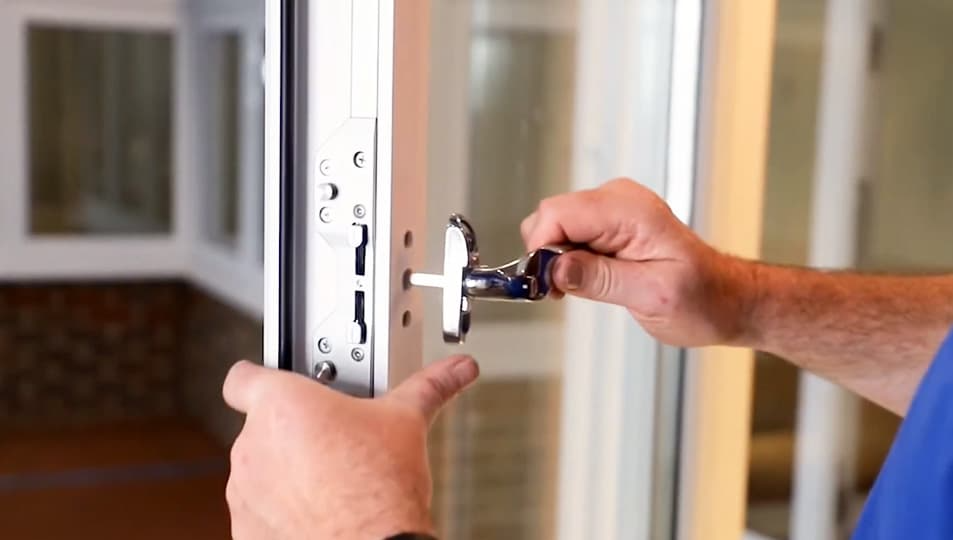
What Is Lock Troubleshooting? What Are The Benefits And How To Utilize It
Lock Troubleshooting: A Comprehensive Guide
Locks are a fundamental element of our every day lives, providing security and peace of mind for homes, offices, and lorries. However, like any mechanical gadget, locks can malfunction, causing aggravation and trouble. Whether you're handling a jammed lock, a lost secret, or other problems, understanding how to fix common lock problems can conserve you time and cash. This article offers a detailed guide on lock troubleshooting, including detailed services and often asked concerns.
Typical Lock Problems and Solutions
Jammed Lock
- Signs: The secret does not turn efficiently or gets stuck.
- Causes: Dirt, dust, or particles inside the lock; a worn-out key; or a malfunctioning lock system.
- Solutions:
- Clean the Lock: Use a can of compressed air to blow out any debris. Use a lubricant, such as graphite powder or silicone spray, to the keyhole and system.
- Check the Key: Check for wear and tear on the key. If it's used down, consider having a new secret made.
- Check the Mechanism: If the lock is still jammed, it may be a deeper concern with the system. Use a little flashlight to examine the lock for any noticeable damage. If you're not comfy with this, call a locksmith.
Stuck Key
- Signs: The key is stuck in the lock and will not come out.
- Causes: Rust, dirt, or a misaligned system.
- Solutions:
- Apply Lubricant: Spray a lubricant into the keyhole and carefully wiggle the key to assist it come out.
- Use a Wire: If the key is still stuck, utilize a thin, versatile wire to attempt to remove it. Take care not to require it, as this can trigger more damage.
- Call a Professional: If all else fails, get in touch with a locksmith professional to securely eliminate the key and repair the lock.
Lock Not Opening
- Symptoms: The key turns however the lock doesn't open, or the essential will not turn at all.
- Causes: Worn-out lock parts, misaligned lock, or a deadbolt that isn't effectively engaged.
- Solutions:
- Check Alignment: Ensure that the door and lock are effectively lined up. Sometimes, a door that runs out alignment can avoid the lock from opening.
- Check Components: Check the lock's elements, such as the cylinder and tumblers, for wear and tear. Replace any broken parts.
- Use a Lock Pick: If you're experienced, a lock choice set can help you open the lock without a secret. However, this must be a last resort and finished with caution.
- Speak with a Locksmith: If the lock stays unresponsive, a professional locksmith professional can identify and repair the problem.
Key Not Fitting
- Symptoms: The secret does not suit the keyhole.
- Causes: The secret is bent or used, the lock is harmed, or the lock has actually been rekeyed.
- Solutions:
- Straighten the Key: If the secret is bent, use a flat surface and a pair of pliers to straighten it.
- Inspect the Keyhole: Look for any clogs or particles in the keyhole. Use a can of compressed air to clean it out.
- Rekey the Lock: If the lock has actually been rekeyed and you have the old key, it will not fit. You'll require to have a brand-new secret made or the lock rekeyed to your existing secret.
- Replace the Lock: If the secret and lock are both in great condition however the key still won't fit, the lock might need to be replaced.
Lock Won't Close
- Symptoms: The door won't lock, or the lock mechanism does not engage.
- Causes: Misaligned door, worn-out lock, or a damaged strike plate.
- Solutions:
- Adjust the Door: Check if the door is out of positioning. Use shims or adjust the hinges to guarantee the door fits effectively.
- Inspect the Strike Plate: Ensure the strike plate is securely connected and lined up with the lock. If it's loose or damaged, tighten up or replace it.
- Check the Lock: Look for any indications of wear or damage on the lock mechanism. Replace any damaged parts.
- Lube the Mechanism: Apply a lubricant to the lock system to guarantee it moves easily.
Tips for Preventing Lock Problems
Routine Maintenance:
- Clean the Lock: Periodically tidy the lock to get rid of dirt, dust, and debris.
- Lubricate Regularly: Use a lube like graphite powder or silicone spray to keep the lock mechanism operating efficiently.
Usage High-Quality Keys:
- Avoid Duplicates: Use the initial crucial whenever possible, and avoid making low-grade duplicates.
- Check for Wear: Regularly examine your keys for signs of wear and have them replaced if required.
Appropriate Installation:
- Align the Door and Frame: Ensure the door and frame are appropriately aligned to avoid misalignment concerns.
- Secure the Strike Plate: Make sure the strike plate is firmly attached and aligned with the lock.
Prevent Over-Tightening:
- Door Hinges: Don't overtighten the screws on door hinges, as this can cause the door to become misaligned.
- Lock Mechanism: Avoid over-tightening the screws on the lock mechanism, as this can likewise trigger issues.
Weatherproofing:
- Use Weatherstripping: Add weatherstripping to the door to avoid moisture from going into and triggering rust.
- Protect Outdoor Locks: Use a cover or shield to safeguard outside locks from the elements.
Frequently Asked Questions (FAQs)
How can I avoid a lock from jamming?
- Response: Regular upkeep is essential. Tidy the lock with a can of compressed air and oil it with graphite powder or silicone spray. Avoid using WD-40, as it can draw in more dirt and debris.
What should I do if my key breaks off in the lock?
- Response: If your essential breaks off in the lock, do not attempt to force it out. This can trigger more damage. Rather, utilize a pair of pliers to carefully try to extract the broken piece. If you're not successful, call a locksmith.
Can I rekey a lock myself?
- Response: Rekeying a lock can be done by a DIY enthusiast, however it requires particular tools and understanding. If window lock mechanism 're not confident in your capability, it's finest to seek advice from a professional locksmith professional.
How can I inform if a lock requires to be replaced?
- Response: Signs that a lock needs to be replaced include consistent jamming, difficulty placing or turning the secret, noticeable wear and tear, or a secret that no longer fits. If you've tried all troubleshooting steps and the lock still doesn't work, replacement is likely required.
What is the very best lubricant for locks?
- Response: Graphite powder and silicone spray are the finest lubes for locks. They are dry and will not attract dirt or particles, unlike oil-based lubricants like WD-40.
How do I align a door and lock?
- Response: To line up a door and lock, change the hinges by loosening the screws a little and gently moving the door until it lines up with the frame. Tighten the screws once the door is properly lined up. You may likewise need to adjust the strike plate.
Can I utilize a hairpin as a lock choice?
- Response: While a barrette can be utilized as a makeshift lock pick, it's not the most effective tool. Lock picking requires specific tools and practice. If you're not experienced, it's best to call a locksmith.
What should I do if my lock is rusty?
- Response: Rust can trigger a lock to jam or malfunction. Utilize a wire brush to remove rust from the lock and keyhole. Use a rust inhibitor and after that lube the lock to ensure it runs efficiently.
Locks are essential for security, but they can periodically fail. By understanding typical lock issues and their services, you can typically resolve problems on your own. Routine maintenance, correct crucial use, and careful installation can help avoid many lock problems. Nevertheless, when faced with more complex issues, it's always best to seek advice from a professional locksmith. With these tips and options, you can keep your locks functioning effectively and your space safe.
Additional Resources
- Regional Locksmith Services: Search for reputable locksmith professionals in your area who can offer professional support.
- Lock Maintenance Kits: Consider purchasing a lock upkeep set that consists of cleaning and lubricating tools.
- Do It Yourself Lock Repair Videos: Watch tutorials on YouTube or other platforms to acquire a better understanding of lock repair strategies.
By remaining informed and proactive, you can decrease lock concerns and make sure that your locks stay dependable and secure.